
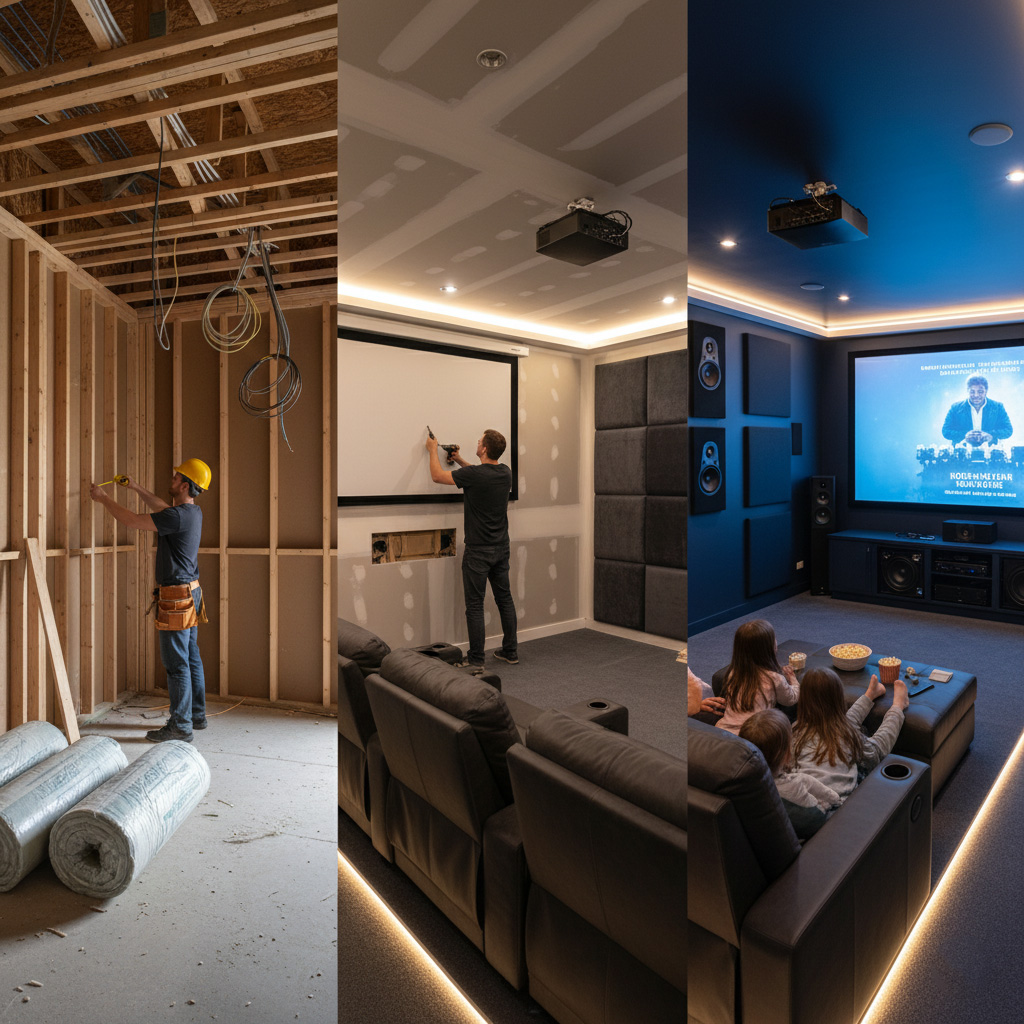
In the UK, the home cinema is no longer just a “man cave” for high-fidelity purists; it has evolved into the ultimate multi-generational hub. However, transitioning from a dedicated screening room to a family-friendly media space requires a fundamental shift in design philosophy.
While a solo enthusiast might prioritse delicate ribbon tweeters and white suede recliners, a parent knows that the real-world enemies of a cinema room are juice spills, rogue toys, and the occasional game of indoor football. Planning a family cinema involves balancing the “wow factor” of a big screen with the pragmatic needs of safety and durability.
By selecting robust materials and clever layouts, you can create a sanctuary where toddlers can enjoy cartoons on a rainy Saturday morning and adults can immerse themselves in a 4K blockbuster once the children are safely tucked up in bed.
Prioritise “Sticky-Finger” Proof Materials
In a room where popcorn and fizzy drinks are part of the ritual, your choice of upholstery is the first line of defence. For a family cinema, the aesthetic should never come at the expense of wipe-clean practicality.
- Performance Fabrics: Look for “life-friendly” textiles or performance velvets that are treated with liquid-repellent technology. These allow spills to bead on the surface rather than soaking into the cushion.
- Faux Leather (Vegan Leather): High-quality synthetic leathers are often more durable than the real thing when it comes to scuffs from shoes or accidental pen marks, and they can be sanitised with a simple damp cloth.
- Modular Seating: Consider a modular sofa rather than fixed theatre seats. This allows you to reconfigure the space for “sleepover” style floor lounging or to separate sections if the children are being particularly restless.
- Darker Tones and Patterns: Deep navy, charcoal, or forest green are excellent at masking minor shadows or stains that might accumulate between deep cleans.
By investing in high-rub-count fabrics, you ensure the room remains an inviting space for adults rather than a stained “soft play” area.
Secure the Tech: Mounting and Cable Safety
Active children and expensive electronics are a precarious mix. To future-proof your investment, you must move as much equipment as possible out of the “impact zone.”
- In-Wall or High-Mount Speakers: Avoid floor-standing speakers that can be easily pushed over. In-wall or on-wall speakers hidden behind acoustically transparent fabric offer a sleek look that is completely child-proof.
- Ceiling-Mounted Projectors: If using a projector, mount it securely to the ceiling rather than a coffee table. This prevents alignment issues caused by bumps and keeps the delicate lens away from curious fingers.
- Locked Media Racks: Consolidate your AV receiver, gaming consoles, and players into a ventilated, lockable cabinet. An IR repeater system will still allow your remote to work through the closed door.
- Cable Management: Use in-wall conduits or heavy-duty cable trunking. Exposed wires are not just a trip hazard; they are a temptation for toddlers and pets alike.
Securing your hardware doesn’t just protect the equipment; it removes the “no-go” zones that can make a room feel stressful for parents.
Design for Multi-Purpose Lighting
A family cinema room needs to be more than a dark box. Children often feel uneasy in total darkness, and you’ll need “halfway” lighting for snack breaks and supervised gaming.
- Dimmable LED Zones: Install separate circuits for the screen area and the seating area. This allows you to keep a soft glow over the snacks while the movie is playing.
- LED Step Lights: If you have tiered seating or a small riser, low-level step lights are a vital safety feature to prevent trips during toilet breaks.
- Star Ceilings: Fibre-optic star ceilings are a favourite for UK family rooms. They provide a magical ambient glow that isn’t bright enough to wash out the screen but provides enough light for children to feel secure.
- Smart Scenes: Programme a “Kids’ Mode” on your smart lighting system that leaves the lights at 10% brightness, preventing the room from ever being “pitch black.”
Layered lighting transforms the room from a focused movie theatre into a safe, versatile playroom at the touch of a button.
Implement Smart Controls and Safety Limits
In 2026, home cinema software will provide parents with unprecedented control over how their children interact with the technology.
- Volume Limiting: Set a “Global Volume Cap” within your AV receiver’s settings. This prevents a child from accidentally cranking the sound to 100%, which could damage their hearing or your expensive speakers.
- Parental Profiles: Use the built-in profiles on your streaming devices (such as Netflix or Disney+) to ensure the cinema interface only displays age-appropriate content.
- Voice Control Integration: Systems like Alexa or Google Home can be programmed to run “Family Movie Night” routines, closing the blinds and starting the film without the need for a complex (and easily lost) remote.
- Hardware Timers: If the room is also used for gaming, smart plugs can be used to automatically cut power to consoles at a certain time, helping to enforce “screen time” rules.
Digital guardrails allow children to enjoy the room independently while giving parents peace of mind that the system isn’t being misused.
Balance the Layout for Group Comfort
A family cinema is as much about the “togetherness” as the film itself. The layout should encourage shared experiences rather than isolated viewing.
- Cuddle-Sized Seating: Swap individual recliners for “loveseats” or extra-deep sofas that allow children to curl up next to their parents.
- The Beanbag Zone: Keep a few high-quality beanbags in the corner. These can be pulled out for extra guests or for younger children who prefer to sit closer to the screen.
- Integrated Snack Station: If space permits, a small fridge or a dedicated “sweet shop” counter at the back of the room adds to the sense of occasion and keeps messy snacks in one area.
- Acoustic Soundproofing: Since family movies can be loud, invest in solid-core doors and extra insulation in the walls to ensure the “Lion King” doesn’t wake the neighbours or siblings in the next room.
Creating a “comfy-first” layout ensures that the room becomes the heart of the home, where the whole family actually wants to spend their time.
Build a Legacy of Family Movie Nights
Planning a home cinema for a family is about creating a “resilient” luxury. In the UK’s 2026 housing market, a well-designed family media room adds significant value to a property because it demonstrates a thoughtful blend of high-end entertainment and everyday durability. By moving equipment out of reach, choosing the right fabrics, and installing flexible lighting, you create a space that grows with your family.
Today’s cartoon den will seamlessly transition into tomorrow’s teenage gaming hub and, eventually, a sophisticated adult retreat. The key is to plan for the “messy” reality of childhood now, so you can enjoy the magic of the movies for years to come.